Why Professional Smart Home Installation Matters (And What DIY Kits Miss)
September 3 | By HarmoniQ Solutions | 7 minutes read | 1 view
September 3 | By HarmoniQ Solutions | 7 minutes read | 1 view
Buying a smart home device has never been easier. Open an online shopping app, search for a smart bulb, camera, plug, or lock, and you'll probably find dozens of options ready to ship.
And that's a good thing. Smart home technology is becoming more accessible, and homeowners no longer need to be technology experts just to get started.
But there's a point where buying individual smart devices stops being the same thing as creating a properly connected home.
A few devices can be easy enough to set up yourself. Once you want different systems to work together, respond to your routines, and function reliably across the home, the quality of the installation and integration starts to matter much more.
That's where professional smart home installation comes in.
It's easy to think of a smart home as a collection of products. You buy the devices, connect them to Wi-Fi, download their apps, and start using them.
But a connected home isn't really about how many smart products you own. It's about how those products work together.
A smart light that you can control from your phone is useful. But what happens when you want your lights, access, climate, and other systems to respond to the way you actually use your home?
That's when the conversation changes from individual devices to system design.
A professionally integrated setup looks at the home as a whole. Instead of asking what gadgets can be added, the focus becomes what the homeowner wants the space to accomplish and how the different systems can support that experience.
The result should feel less like you've installed technology throughout your house and more like your house simply became easier to live in.
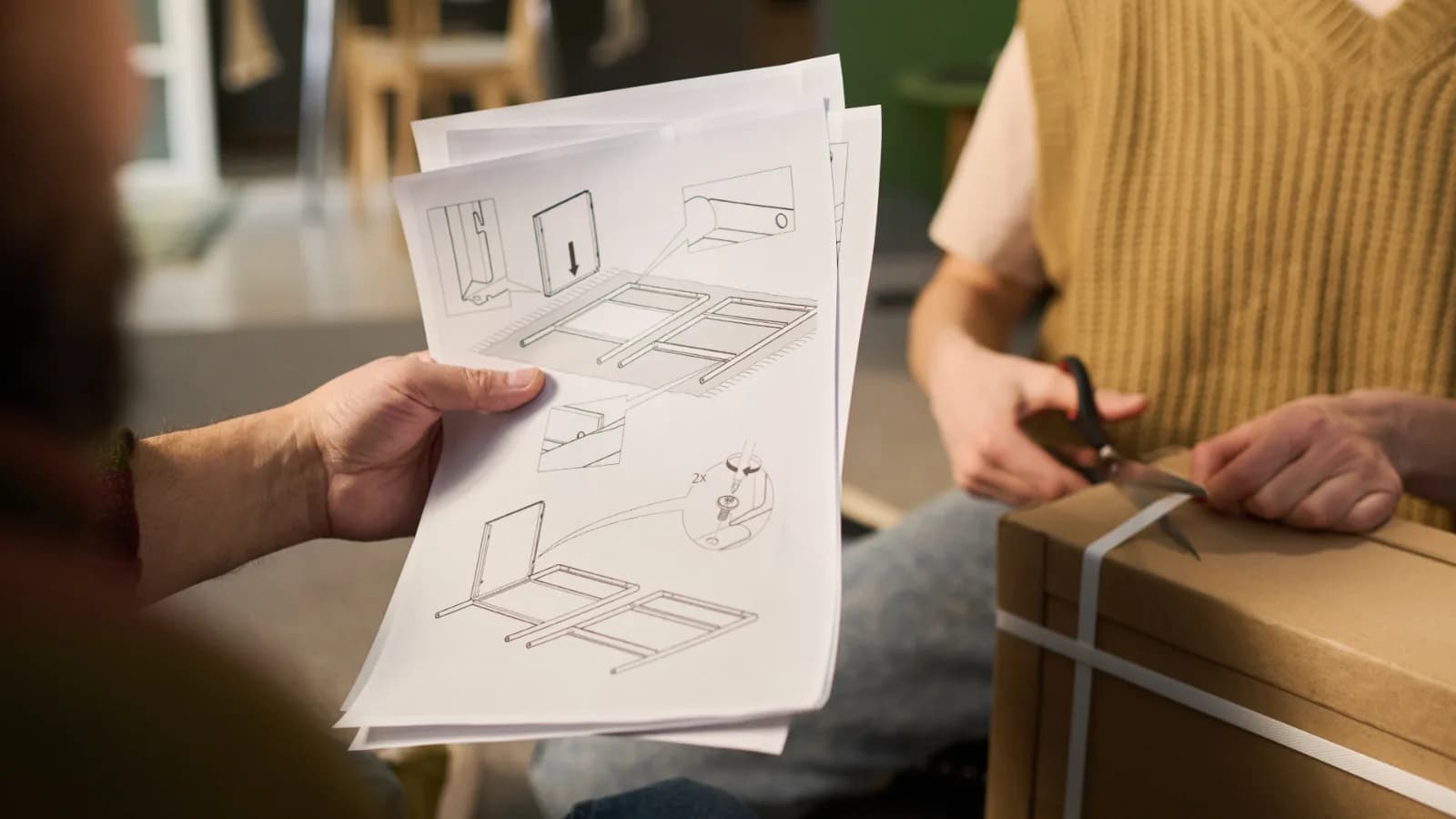
DIY smart home products have a lot going for them. They're affordable, widely available, and relatively easy to experiment with.
If you want to automate a bedroom lamp or check a camera while you're away, you can probably get started without professional help.
The challenge usually appears as the setup grows.
One device becomes five. Five becomes fifteen. Suddenly, you're dealing with different apps, connection issues, compatibility questions, firmware updates, hubs, automation settings, and devices that don't always behave exactly as expected.
None of this makes DIY a bad option. It simply means you're taking on the role of the system integrator yourself.
For people who enjoy figuring things out, that's perfectly fine. But if your goal is to have a home that works quietly in the background, spending your time troubleshooting the system may defeat the point.
One of the biggest things professional installation adds is planning.
Before anything is installed, the system needs to make sense for the property. The layout, existing infrastructure, routines, and desired experience all influence what should be included and how everything should work together.
This becomes especially important during construction or renovation.
It's much easier to think about automation when you're already planning the home than to realize later that you want additional wiring, controls, or integration that wasn't considered during the build.
Even for an existing property, professional planning helps prevent the "let's just keep adding things" approach.
Instead of buying a device because it looks useful and figuring out where it fits afterward, the system is designed around the home first.
There's also a common misconception that professional installation simply means someone comes over and installs the hardware for you.
The physical installation is only one part of the process.
A properly integrated system may involve design, installation, configuration, programming, integration, testing, and commissioning. Each part contributes to whether the final setup actually works the way it was intended to.
This is particularly important when multiple systems need to interact.
A homeowner shouldn't have to know what is happening behind the scenes every time an automation runs. That's the whole point. The complexity should be handled during the design and implementation process so the everyday experience remains simple.
Good installation isn't about making the technology visible.
It's about making the technology disappear into the experience.
There's a big difference between having a smart gadget that occasionally needs troubleshooting and relying on a connected system across your home.
If one smart bulb stops responding, that's annoying.
If several systems aren't communicating properly, your experience can become much more frustrating.
Professional integration helps address this by treating the setup as a system rather than a collection of unrelated purchases. Proper configuration and testing can help identify issues before the homeowner has to deal with them in everyday use.
This doesn't mean technology will never have problems. No system is completely immune to connectivity issues or hardware failures.
What professional installation can provide is a more intentional setup, with the system tested as a whole rather than assuming every individual device will automatically work perfectly once it's connected.
The best automation isn't necessarily the most impressive automation.
It's the one that solves something you actually experience.
Maybe your mornings are chaotic and you want parts of your routine to happen automatically. Maybe you want the house to feel more welcoming when you arrive home. Maybe you want easier control when you're traveling. Maybe you want certain parts of the home to be easier for your family to manage.
These are lifestyle decisions before they're technology decisions.
This is why professional smart home design should start with conversations about how you live, rather than simply showing you a catalogue of devices.
A homeowner who works from home may have completely different priorities from a family with young children. Someone managing a condo rental may have different requirements from someone building a forever home.
The system should reflect those differences.
Choosing professional installation doesn't mean you have to forget about DIY products altogether.
There are plenty of situations where individual smart devices make sense. You might start with a simple setup and later decide that you want a more integrated system. You might already have connected devices in your home and want to build on what you have rather than start from scratch.
The important part is understanding how everything fits together.
A professional integrator can help determine what can be incorporated into the larger system, what may need to be replaced, and where it makes more sense to use a different solution.
That can save you from spending money repeatedly on devices that eventually don't fit the system you actually want.
One of the biggest misconceptions about professional smart homes is that the goal is to automate every possible part of your house.
It isn't.
You don't need your entire home to react to every movement you make. You don't need a smart version of every appliance you own. And you definitely don't need to automate something just because an app says you can.
The best systems are selective.
They focus on the parts of your home where automation creates genuine value, whether that's convenience, comfort, security, energy efficiency, or simply reducing the number of repetitive things you have to remember.
That's what makes thoughtful automation different from buying gadgets for the sake of having gadgets.
At the end of the day, the biggest thing DIY kits can miss isn't necessarily a particular feature.
It's the bigger picture.
You can buy smart devices individually. You can connect them yourself. You can build your own routines and gradually turn your home into something more connected.
But professional smart home installation looks at what happens when all those pieces need to become one experience.
The value is in having someone consider the property, understand your needs, design the system, integrate the technology, and make sure everything is working together before handing it over to you.
That's especially valuable when you're investing in a long-term home and don't want to spend years constantly adding, replacing, and troubleshooting individual devices.
A smart home shouldn't give you another system to manage.
It should give you less to manage.
With SynQ, that's the experience we're building toward: a connected home designed around the way you actually live, with the technology working in the background so everyday life feels simpler.
Ready to explore what's possible for your home? Book a SynQ consultation and let's design a setup around your space, routines, and priorities!
Get early access to new drops, community stories, and the latest evolution of our ecosystems.