DIY Smart Home vs. Professional Installation: Which Is Right for You?
August 22 | By HarmoniQ Solutions | 8 minutes read
August 22 | By HarmoniQ Solutions | 8 minutes read
If you've been looking into smart home automation, you've probably noticed how easy it is to start. A smart bulb here, a smart plug there, maybe a camera or smart lock when you feel like adding one. You can order most of these online, download an app, connect them to Wi-Fi, and you're good to go.
And honestly, for some people, that's enough.
But once you start adding more devices, connecting different systems, or trying to make your home respond automatically to your routines, things can get a little more complicated. Suddenly, you're managing multiple apps, figuring out which devices work together, troubleshooting connections, and wondering why the "smart" home still needs so much of your attention.
That's where the difference between a DIY smart home and a professionally installed system becomes more important. The question isn't really whether one is better than the other. It's about what you want your home to do, how much control you want over the setup, and how much work you're willing to put into making everything work together.
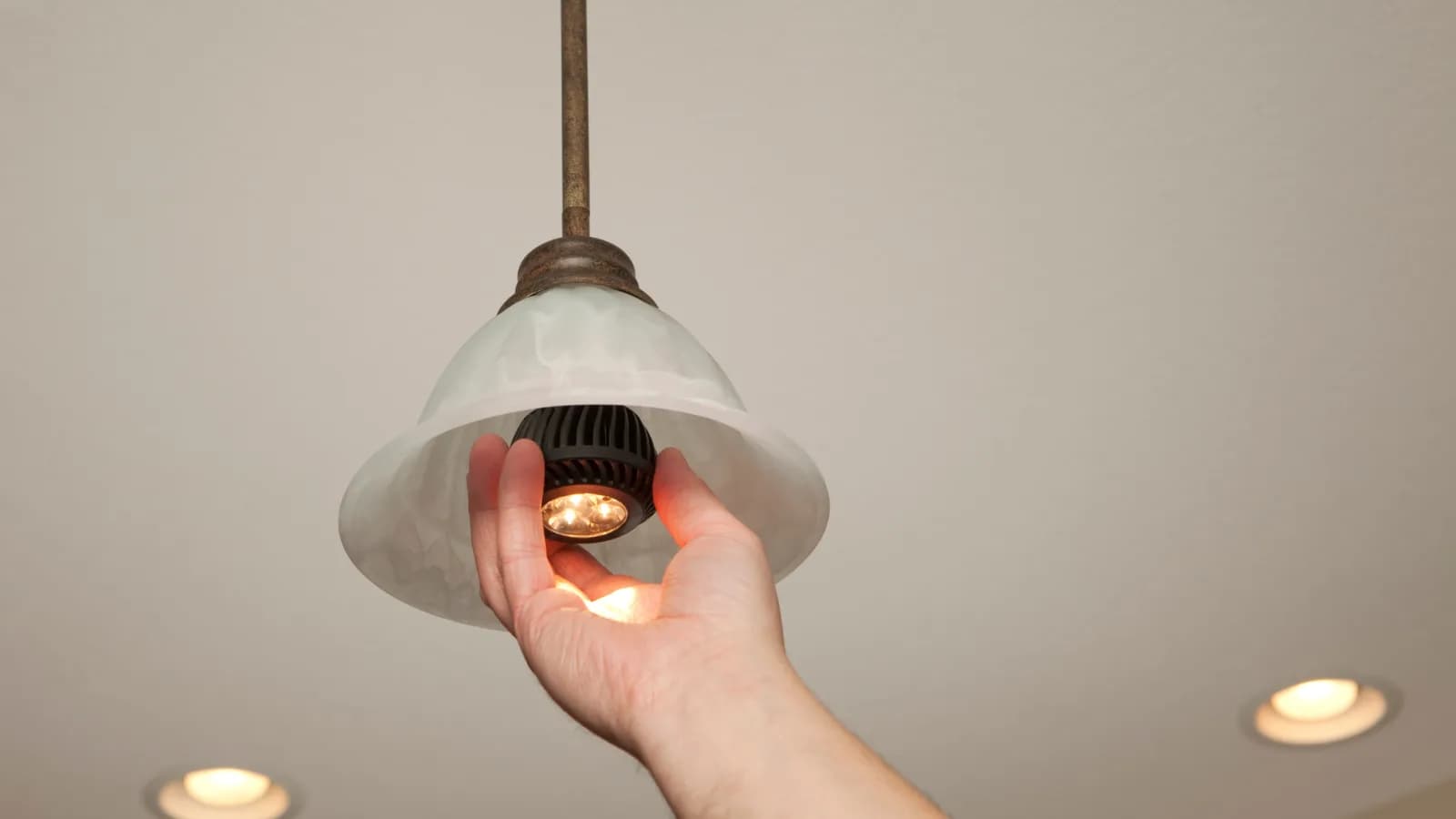
DIY smart home setups have become much more accessible in recent years. You don't need to renovate your house or hire a technician just to get started. A smart bulb can make your bedroom lighting easier to control, while a smart plug can let you turn certain appliances on or off remotely. Add a few more devices and you can start creating simple routines around your day.
For someone living in a condo or apartment, this can be especially appealing. You might only want a few conveniences without making permanent changes to the property. If you're renting, a plug-and-play setup can also give you some smart home benefits without committing to a major installation.
The biggest advantage is obvious: you can start small and control the cost.
You can buy one device today, see if you actually use it, and add more later. There's also something satisfying about setting things up yourself. You get to experiment, figure out what works for your routine, and gradually build your own version of a smart home.
The catch is that the more you add, the more you may have to manage.
One smart device is simple. Five or ten can still be manageable. But once your home has multiple devices, rooms, systems, and automations, the setup can become less straightforward.
You might have one app for your lights, another for your cameras, another for your air conditioning, and another for your smart lock. Some devices may communicate with each other, while others don't. You may also need to figure out different hubs, connectivity requirements, permissions, updates, and automation rules.
None of this necessarily means your setup is bad. It just means that you're now doing some of the work that a professional integrator would normally handle.
This is one of the biggest differences between buying smart products and creating a connected home. A collection of smart devices can give you individual controls. A properly integrated system is designed so those controls work together as part of the same experience.
That's an important distinction when you're planning for an entire home rather than just upgrading one or two things.
With a professionally designed system, the starting point is usually different. Instead of asking, "Which smart device should I buy?" the conversation becomes, "What do I want my home to do?"
That shift can make a surprisingly big difference.
Your home's layout, electrical setup, existing equipment, daily routines, security needs, and future plans can all affect what makes sense. A good system should fit the property rather than forcing the property to work around a random collection of devices.
For example, a family might want the lights, access, climate controls, and other connected systems to support their daily routines. Someone who frequently travels might care more about being able to check on their home remotely. A condo owner renting out a property might prioritize access and easier property management.
There isn't one perfect smart home setup because there isn't one type of homeowner.
Professional integration is about understanding those differences and building around them.
It's easy to think professional installation simply means someone comes over, installs the devices, and leaves.
In reality, a properly integrated smart home involves more than physically putting hardware in place. There is planning, system design, integration, programming, testing, and commissioning involved in making the different parts of the system work together.
This matters because the goal isn't just to have smart devices installed. The goal is to have the system behave the way you expect it to.
Think about the difference between having a smart light bulb and having your home lighting work around your routine. The first gives you a connected bulb. The second requires decisions about what happens, when it happens, and how different parts of the home interact.
That is where professional workmanship and system integration become valuable. You're paying not just for the hardware, but for someone to think through how the entire setup should function.
Neither approach is automatically better.
DIY gives you freedom. You can experiment, change things whenever you want, and build your setup gradually. If you're curious about smart home technology or simply want a few convenient upgrades, that flexibility can be exactly what you need.
Professional installation gives you structure. Instead of figuring everything out device by device, the system is planned as a whole. This can be particularly useful when you're building, renovating, or setting up a long-term home and want your technology to feel intentional rather than added as an afterthought.
The decision often comes down to how much involvement you want.
If you enjoy researching products, troubleshooting connections, and setting up automations yourself, DIY can be fun. If you'd rather have someone design and integrate the system around your home and routines, professional installation may make more sense.
One of the biggest reasons people eventually move toward professional integration is simply convenience.
Imagine getting home after a long day. Instead of thinking about which lights to turn on, which settings to adjust, or whether you remembered to switch something off, your home already responds to the routine you've created.
That's the experience a connected system is trying to create.
The technology should fade into the background. You shouldn't have to think about which protocol is being used or which device belongs to which app. You should simply experience the result: a home that feels easier to manage.
This is also where a platform like SynQ fits into the picture. Rather than treating automation as a collection of disconnected gadgets, SynQ is built around creating a connected home experience that works with the space and the people living in it.
The point isn't to make your home "smart" for the sake of saying it's smart. It's to make everyday living feel simpler.
A DIY setup can be a great solution when you're testing the waters. But if you're designing a home that you expect to live in for years, it can be worth thinking beyond individual devices.
Planning your automation early can help create a more cohesive setup instead of having to retrofit different systems later. This is especially relevant for homeowners building or renovating a property, where technology can be considered alongside the design and infrastructure of the space.
Professional integration also gives you someone to think about the bigger picture. What works today should ideally still make sense as your needs change.
Maybe your family grows. Maybe you start working from home more often. Maybe you add security requirements or want to make your home easier for aging parents to navigate. A well-planned system can be designed with those possibilities in mind.
If you only want a few smart devices and enjoy setting things up yourself, DIY may be the right choice. It's accessible, flexible, and lets you experiment without making a large upfront investment.
If you want multiple systems working together, prefer a more seamless experience, or are building or renovating a home, professional installation may be worth considering.
The real question is how much you want to manage yourself.
A DIY smart home asks you to become the person connecting and maintaining the pieces. A professionally integrated smart home puts more of that responsibility into the planning and installation process so the final experience feels more cohesive.
And that's ultimately the difference. DIY is about adding smart devices. Professional installation is about designing a smarter way for your home to work.
With SynQ, HarmoniQ takes care of the system design, integration, installation, programming, and commissioning, with the goal of creating a connected experience around your actual space and routines.
Before buying devices one by one, it's worth understanding how much a smart-home setup can actually cost in the Philippines.
Read How Much Does a Smart Home Cost in the Philippines? (2026 Pricing Guide) to see what affects the cost and what you should consider before investing.
Get early access to new drops, community stories, and the latest evolution of our ecosystems.